



APPLICATIONS
Therapy Response Evaluation
Assess pharmacological efficacy within
a spatially organized, multicellular microenvironment.
Evaluate Anti-Cancer Therapies in a Physiologically Relevant Model
Therapeutic responses are shaped not only by tumor cells, but also by their interactions with immune and stromal compartments. The TME-Chip provides a controlled, physiologically relevant microenvironment for evaluating these effects in a multicellular setting.
Experimental therapeutics can be introduced through microfluidic channels, enabling spatiotemporal control of drug exposure while cellular responses are monitored over time.
A Controlled, Multicellular Platform for Therapy Evaluation
The TME-Chip enables defined spatial organization of tumor, immune, and stromal cell populations while allowing soluble factors and cell-secreted molecules to diffuse between compartments.
Its micropillar architecture maintains baseline separation of cell populations while permitting single-cell migration, making it possible to study cell–cell interactions, migration kinetics, paracrine signaling, and localized therapeutic responses in a controlled microenvironment.
TYPICAL APPLICATIONS
Key Research Areas in Therapy Response Evaluation
Immunotherapy Evaluation
Study tumor–immune cell dynamics within a spatially organized 3D environment. Compartmentalized tumor cells and PBMCs enable investigation of paracrine signaling and immune-cell infiltration into the tumor compartment.
Responses can be evaluated using longitudinal live-cell imaging, flow cytometry, and spatially resolved immunofluorescence staining.
Key Readouts
- Immune-cell infiltration
- Tumor–immune interactions
- Immunophenotyping
- Spatial IF staining
Combination Therapy Screening
Systematically evaluate combination treatment strategies by controlling therapeutic exposure through the microfluidic channels. The platform enables assessment of treatment effects across multiple cell populations within the same microenvironment.
Key Readouts
- Tumor-cell viability
- Immune-cell migration
- Cytokine secretion
- Target protein modulation
ADC Efficacy Assessment
Evaluate antibody–drug conjugate efficacy beyond conventional viability assays. Spatial immunofluorescence analysis enables target antigen expression and localization to be correlated with therapeutic cytotoxicity within the reconstructed tumor microenvironment.
Key Readouts
- Target antigen expression
- Spatial localization
- Therapeutic cytotoxicity
- Treatment response
Cell Therapy
Monitor the migration and effector function of engineered or primary therapeutic immune cells as they respond to tumor-derived chemokine gradients.
Cellular interactions can subsequently be characterized through imaging, flow cytometry, and secretome analysis.
Key Readouts
- Cell migration
- Effector function
- Phenotypic changes
- Secretome profiles
RESEARCH READOUTS
Comprehensive Analysis of Therapeutic Responses

Live-Cell Imaging
Monitor cellular migration, interactions, and treatment responses over time.
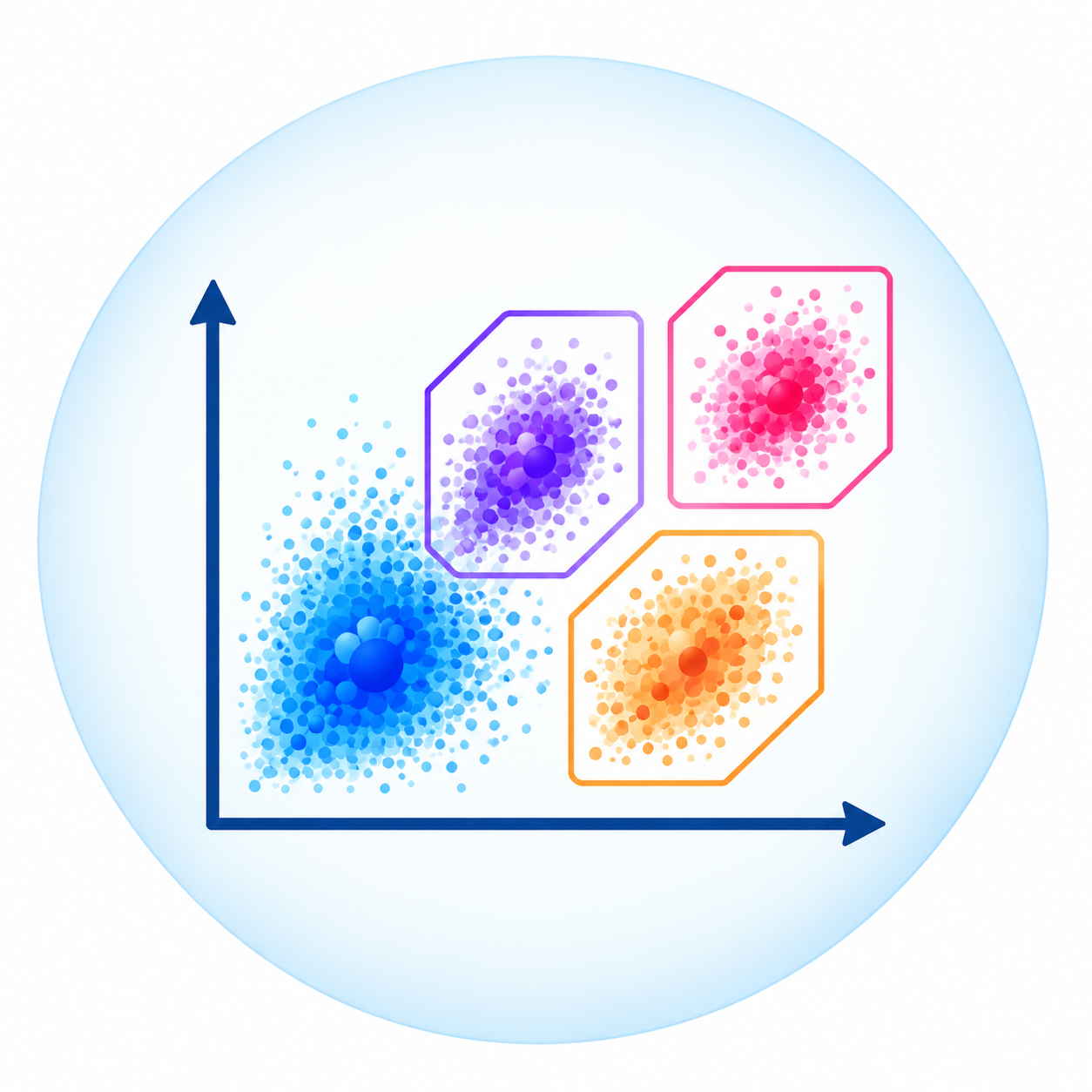
Flow Cytometry
Characterize cellular phenotypes and treatment-induced changes across different cell populations.
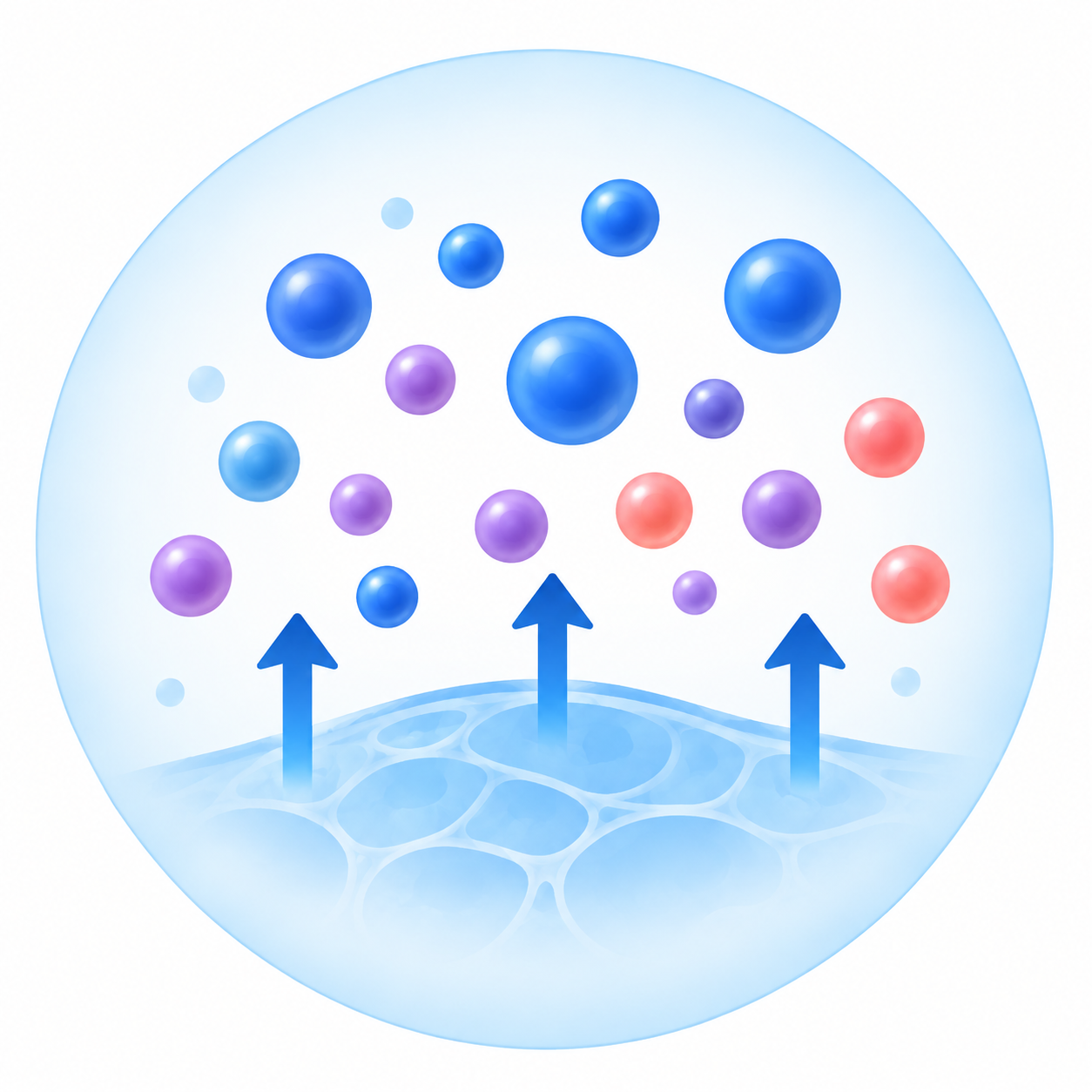
Cytokine Analysis
Quantify soluble signaling factors associated with immune responses and cell–cell communication.
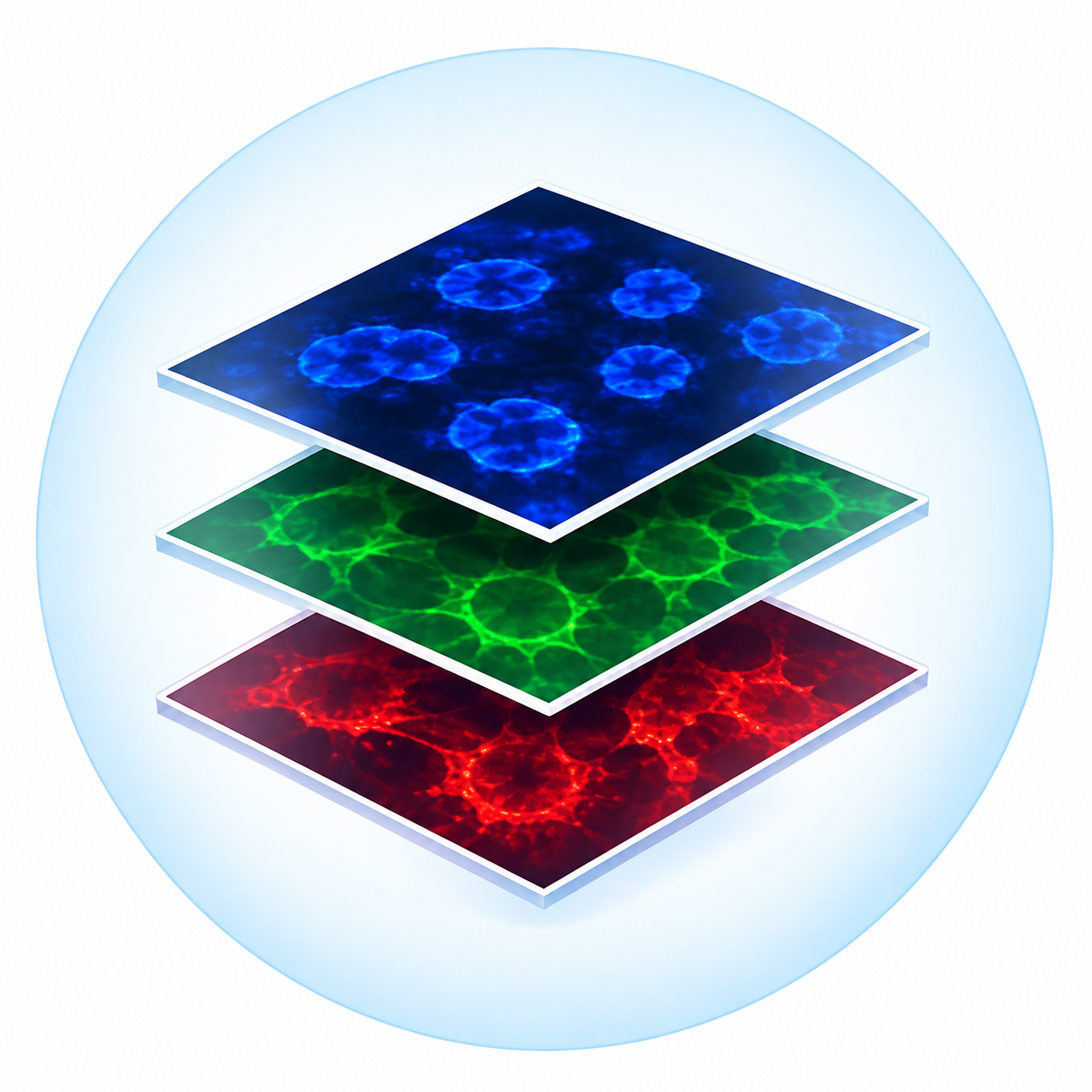
Spatial Immunofluorescence
Visualize target expression and spatial distribution within the reconstructed microenvironment.
Drug Penetration & Delivery
Visualize how therapeutics distribute and penetrate into 3D tumor tissue

Context of Use
Investigate the transport, distribution, and retention of therapeutic agents within complex tumor tissues. Our TME-Chip enables visualization of drug movement across stromal barriers and assessment of factors that may limit therapeutic exposure in solid tumors.
Typical Applications
- ADC penetration studies
- Antibody distribution analysis
- Nanoparticle delivery assessment
- Drug transport optimization
Tumor Microenvironment Biology
Study tumor-stroma-immume interactions in a human-relevant model

Context of Use
Recreate the cellular complexity of the tumor microenvironment to investigate interactions among tumor cells, fibroblasts, immune cells, and extracellular matrix components. Our platform supports mechanistic studies of cancer progression, immune suppression, and therapeutic resistance.
Typical Applications
- Tumor-immune interaction studies
- Cancer-associated fibroblast research
- Immune evasion mechanisms
- Resistance biology
Multi-Omics and Biomarker Discovery
Connect functional drug response with molecular signature

Context of Use
Integrate TME-Chip response data with multi-omics profiles to identify predictive biomarkers, uncover response mechanisms, and generate translational insights for drug development.
Typical Applications
- Biomarker discovery
- Multi-omics integration
- Response mechanism analysis
- AI-assisted predictive modeling
Patient-Derived Translational Testing
Support translational research using patient-derived tumor cells, organoids, or clinical samples

Context of Use
Typical Applications
- Patient-derived tumor models
- Clinical sample evaluation
- Biomarker validation
- Precision oncology research
Contact Us
Connect with Pythia Biotech to learn more about our products and services,
explore partnering opportunities, or discuss potential collaborations.